Choosing a Solar Company in Karachi: A 2026 Buyer’s Roadmap
Karachi runs hot, runs long, and rarely runs cheap on electricity. That combination makes rooftop solar one of the smartest investments a household or business in the city can make in 2026. Yet the difference between a system that pays for itself and one that disappoints comes down to a single early decision: which installer you trust.
Picking the right solar company in Karachi is not just about the lowest quote. It is about warranties honoured, panels sized correctly, and after-sales support that actually answers the phone. This roadmap walks you through what matters.
Why Karachi Is Built for Solar
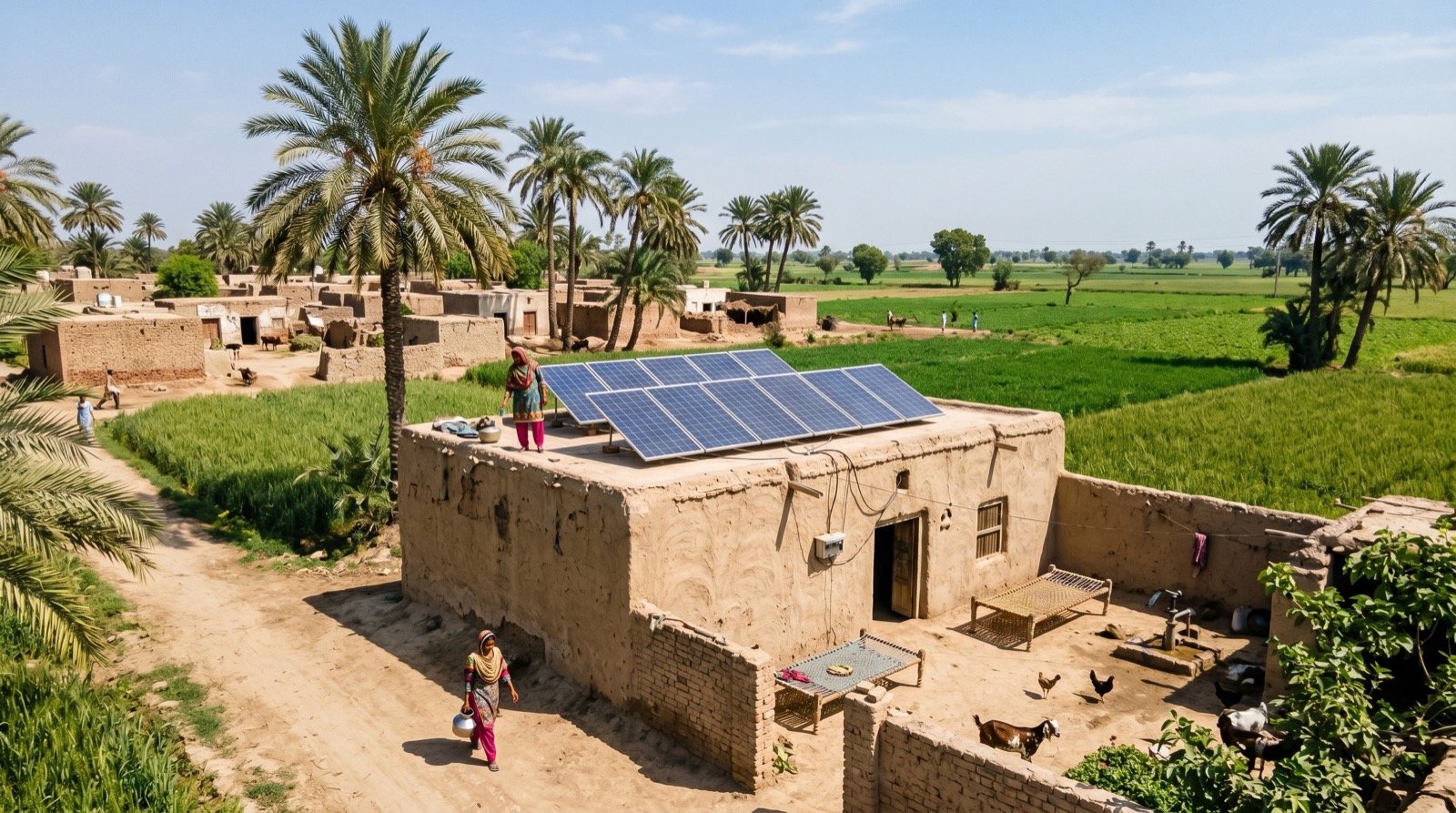
Pakistan sits in one of the sunniest belts on the planet. According to the International Renewable Energy Agency (IRENA), the country receives roughly 5.3 kWh of solar irradiance per square metre each day across most of its territory. Karachi’s coastal position adds long daylight hours and moderate cloud cover for much of the year.
That means a well-designed rooftop array in the city can generate strong output for a decade and beyond. The sun is free. The engineering is what you pay for.
The Traits of a Trustworthy Installer
Before you sign anything, screen your shortlist against a few non-negotiables. A serious company will welcome these questions, not dodge them.
- Verifiable track record. Ask to see completed installations and speak to past clients.
- Tier-1 equipment. Panels, inverters, and mounting hardware should come from reputable manufacturers with real warranties.
- Proper load assessment. A good team studies your bills before quoting, not after.
- Net-metering support. They should handle the paperwork with your distribution company.
- Local presence. Working with reliable local experts means faster service calls and accountability you can visit in person.
Red Flags to Walk Away From
If a vendor quotes a price without inspecting your roof, promises unrealistic savings, or cannot name the panel brand they use, keep looking. Vague answers now become expensive problems later.
Sizing Your System Correctly
Oversizing wastes money. Undersizing leaves you leaning on the grid during outages. The sweet spot depends on your monthly consumption and available roof area.
Here is a rough guide many Karachi homes and offices use as a starting point. Your installer should refine it against your actual load profile.
| Monthly Bill (Units/kWh) | Recommended System | Approx. Roof Space | Best For |
|---|---|---|---|
| 300–500 | 3 kW | 250 sq ft | Small home |
| 500–900 | 5 kW | 400 sq ft | Mid-size family home |
| 900–1,500 | 10 kW | 750 sq ft | Large home / small shop |
| 1,500+ | 15 kW+ | 1,100+ sq ft | Commercial premises |
On-Grid, Off-Grid, or Hybrid?
Your lifestyle decides your architecture. Each configuration solves a different problem.
- On-grid: Cheapest upfront. Feeds surplus power back through net metering. No battery, so it goes dark during load-shedding.
- Off-grid: Fully independent with battery storage. Ideal where the grid is unreliable, but costlier.
- Hybrid: The popular Karachi choice. Grid-connected with battery backup, so you keep the lights on during outages and still export surplus.
A capable company walks you through the trade-offs instead of pushing whatever they have in stock. That advisory approach is the mark of expertise, and it is why buyers increasingly review completed solar projects in Pakistan before committing.
Understanding the Real Cost of Ownership
The headline price is only part of the story. Factor in the full picture across the life of the system.
- Equipment and installation (the visible cost)
- Net-metering registration and meter changes
- Occasional cleaning, especially given Karachi’s dust and coastal salt
- Inverter replacement, typically once in 8–12 years
Even with these, most quality systems recover their cost within four to six years and then deliver free power for the rest of their 25-year panel lifespan. That is the mathematics that makes solar compelling.
An Insider Tip on Maintenance
In coastal Karachi, salt-laden air leaves a film on panels faster than in inland cities. A quick freshwater rinse every four to six weeks can recover several percentage points of output that dusty panels quietly lose. It is the cheapest performance upgrade you will ever make.
Net Metering: Turning Your Roof Into a Power Plant
Net metering is the feature that transforms solar from a cost-saver into a genuine income offset. When your panels produce more than you consume, the surplus flows back into the grid and your distribution company credits your account. On cloudy days or at night, you draw those credits back.
In Karachi, this means your daytime overproduction directly cancels out your evening consumption on the bill. A good installer registers your bidirectional meter and handles the approval process with your utility, which can otherwise be a frustrating maze of forms and site visits.
What to Confirm About Net Metering
- Whether the installer manages the full application on your behalf.
- The expected timeline for meter approval, usually a few weeks.
- How surplus credits are calculated and carried forward.
- Any documentation you must provide, such as ownership proof.
The First-Hand Difference a Local Team Makes
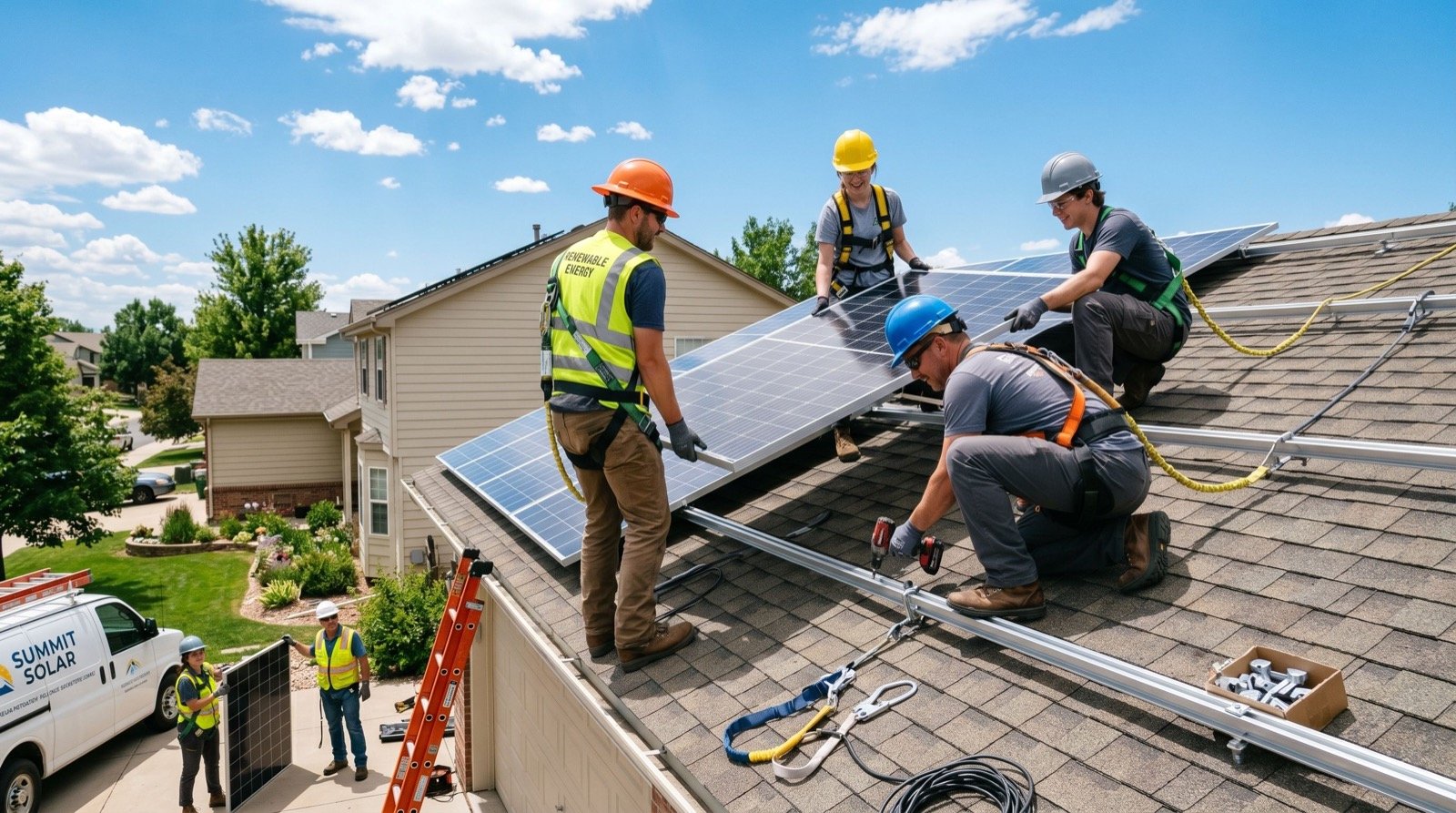
Having watched many installations across the city, one pattern stands out. Homes serviced by a nearby, accountable team consistently outperform those handed to distant, quote-only vendors. When a connector loosens or output dips, a local engineer arrives within a day rather than a week.
That responsiveness protects your investment. Solar is a 25-year relationship, not a one-time transaction, so proximity and reputation carry real weight. Choose a partner you can call and expect to answer.
Frequently Asked Questions
How do I choose the best solar company in Karachi?
Compare at least three vendors on equipment brand, warranty terms, past installations, and net-metering support. Prioritise transparency and local accountability over the cheapest quote.
How long does a rooftop solar installation take?
A typical residential system in Karachi is installed within two to four days once materials arrive. Net-metering approval can add a few additional weeks.
Will solar work during load-shedding?
Only if you have battery storage or a hybrid setup. A pure on-grid system shuts off during outages for safety, so choose hybrid if backup power matters to you.
What warranty should I expect?
Look for 25-year performance warranties on panels and at least 5 years on inverters. Reputable installers back these in writing, not verbally.
The Bottom Line
Solar rewards patience and due diligence. Take time to vet your installer, size the system to your real usage, and choose the grid architecture that fits your outage tolerance. Do that, and rooftop solar in Karachi becomes one of the most reliable financial decisions you can make in 2026. When you are ready, partner with a proven solar company in Karachi and let the city’s abundant sunshine start working for you.