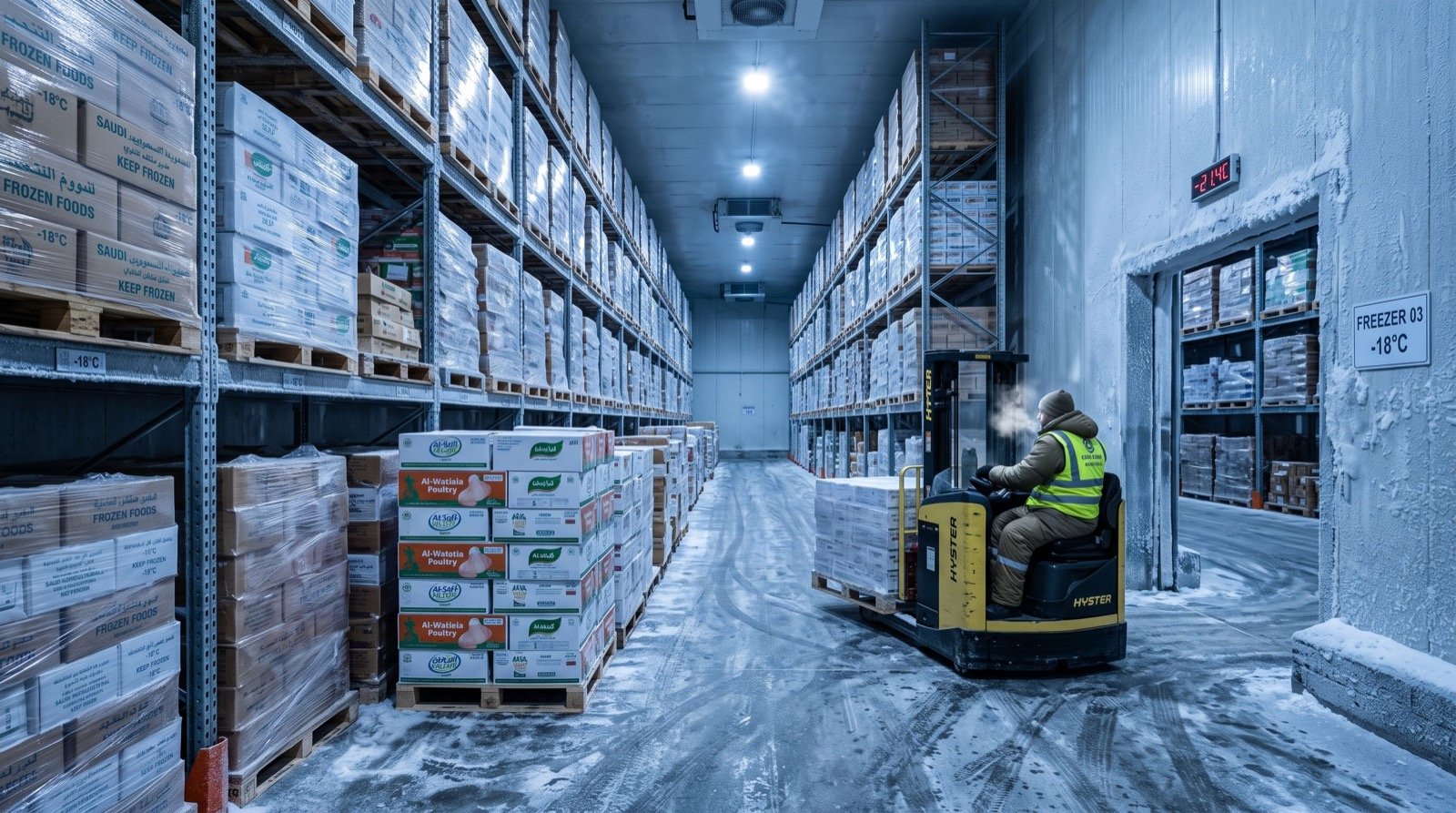
Chilled Storage in Riyadh: Cold Chain Essentials for 2026
Reliable Chilled Storage in Riyadh keeps perishable products fresh, compliant, and profitable in one of the region’s hottest climates. From dairy and fresh produce to pharmaceuticals, temperature-sensitive goods lose value the moment the cold chain breaks. Therefore, businesses across the capital treat refrigerated storage as mission-critical, not optional. This 2026 guide explains what a strong cold-chain setup really requires.
Riyadh’s summer heat regularly exceeds 45°C outdoors. Against that backdrop, even a short lapse in refrigeration can spoil an entire shipment. Consequently, choosing a facility with proven temperature control protects both your inventory and your customers.
Why Chilled Storage in Riyadh Is Growing Fast
The capital’s population and appetite for fresh, imported goods keep climbing. As supermarkets, cloud kitchens, and pharmacies expand, demand for reliable cold space rises with them. Meanwhile, national food-security goals push importers to hold larger buffer stocks locally.
This surge has raised expectations. Buyers now want continuous temperature logs, backup power, and rapid dispatch. Facilities that deliver those features win the contracts; those that cannot get left behind.
The perishable-goods challenge
Fresh produce respires and generates heat even after harvest. Dairy and meat spoil rapidly outside their target range. A well-run chilled store slows this decay, extending shelf life and reducing waste dramatically.
The pharmaceutical dimension
Medicines and vaccines carry strict temperature tolerances. A deviation of a few degrees can render a batch unusable. As a result, pharma clients demand validated cold rooms with alarms and documented audit trails.
What Defines a Quality Chilled Facility?
Not all cold rooms perform equally. Before you trust a provider with perishable stock, verify the fundamentals in person.
- Multiple temperature zones for chilled, frozen, and controlled-ambient goods.
- Redundant refrigeration so one compressor failure never halts cooling.
- Backup generators that hold temperature through any power cut.
- Continuous monitoring with alarms and downloadable temperature logs.
- Fast loading bays with air curtains to limit cold loss during transfer.
For distributors handling mixed inventory, integrated operators pair refrigerated space with dedicated Storage for Cleaning Supplies and dry goods under one roof. That single-partner model simplifies logistics and cuts double-handling.
How Do You Keep the Cold Chain Unbroken?
An unbroken cold chain depends on discipline at every handoff. One weak link undoes the whole system, so map each step carefully.
- Pre-cool the vehicle before loading any refrigerated cargo.
- Minimise dock time to reduce exposure to ambient heat.
- Monitor continuously with data loggers that travel with the goods.
- Store by temperature class the moment stock arrives.
- Audit regularly and act fast on any temperature excursion.
Many importers rely on an experienced local team to manage receiving, put-away, and dispatch so nothing sits on a warm dock. Local expertise makes the difference between fresh delivery and costly waste.
Temperature Ranges at a Glance
Different products need different setpoints. The table below summarises common ranges used by Riyadh distributors in 2026.
| Product type | Target range | Storage class |
|---|---|---|
| Fresh produce | 2–8°C | Chilled |
| Dairy & meat | 0–4°C | Chilled |
| Most pharmaceuticals | 2–8°C | Validated chilled |
| Frozen goods | -18°C or below | Frozen |
| Dry goods | 15–25°C | Ambient |
Matching each SKU to the correct zone prevents both spoilage and wasted energy. Professional Chilled Storage in Riyadh providers configure their rooms precisely for these targets, giving you confidence in every pallet.
Practical Lessons From the Cold Chain
Years on the loading dock reveal patterns worth sharing. First, most spoilage happens during transfers, not during storage, so tighten your dock discipline before anything else. Second, place temperature loggers inside the pallet, not just on the wall.
Third, schedule preventive maintenance in spring before the summer load peaks. Fourth, train every driver on cold-chain basics; equipment alone cannot save careless handling. These habits protect quality far more than premium hardware ever could.
Authoritative guidance reinforces these points. The Saudi Food and Drug Authority sets local cold-storage and food-safety requirements, while the World Health Organization publishes internationally recognised good distribution practice for temperature-sensitive medicines.
Energy, Backup Power, and Reliability
Refrigeration runs on power, and power in a heatwave is never guaranteed. A single outage on a summer afternoon can spoil a warehouse of perishable stock within hours. Therefore, backup systems are not a luxury; they are the core of any serious cold facility.
Reliable operators install standby generators that start automatically when the grid drops. They also maintain fuel reserves and test the switchover regularly. As a result, temperatures hold steady even during extended cuts.
Managing energy costs
Cooling in Riyadh’s climate consumes serious energy, so efficiency directly shapes your storage bill. Modern facilities use high-grade insulation, rapid-close doors, and variable-speed compressors to trim waste. These upgrades lower running costs without ever risking product safety.
Smart operators also schedule energy-intensive tasks around demand. They pre-cool during cooler night hours and stagger door openings to limit heat ingress. Small operational choices like these add up to meaningful savings across a year.
Monitoring that never sleeps
Continuous monitoring turns reliability from hope into proof. Sensors log temperatures around the clock and trigger instant alerts when readings drift. Consequently, staff act on a problem long before it damages stock.
Furthermore, digital logs create an audit trail buyers trust. When a supermarket or pharmacy asks for evidence of an unbroken cold chain, you produce it in seconds. That transparency wins contracts and builds lasting client confidence.
Frequently Asked Questions
What temperature is chilled storage kept at?
Chilled storage typically holds products between 2°C and 8°C, ideal for dairy, fresh produce, and many pharmaceuticals. Frozen storage runs much colder at around -18°C, so always match each product to its correct zone.
Why is chilled storage important in Riyadh?
Riyadh’s extreme summer heat spoils perishable goods rapidly outside refrigeration. Reliable chilled storage protects freshness, reduces waste, and keeps food and medicine safe from receiving all the way to final delivery.
How do facilities prevent cold-chain failures?
They use redundant refrigeration, backup generators, and continuous monitoring with alarms. Trained staff, fast loading bays, and documented temperature logs ensure any deviation gets caught and corrected before stock is affected.
Can one provider handle chilled, frozen, and dry goods?
Yes. Integrated operators offer multiple temperature zones under one roof, letting you store your entire product range with a single partner. This approach simplifies logistics and lowers overall handling costs.
Conclusion
Dependable Chilled Storage in Riyadh underpins every business that sells perishable or temperature-sensitive products in 2026. Prioritise redundant cooling, continuous monitoring, and a partner who respects cold-chain discipline at every step. Get those fundamentals right, and your stock arrives fresh while your losses stay low.
Protect your perishables today. Compare validated chilled storage options in Riyadh and secure the cold space your growth demands.